Streamlining workflows and eliminating inefficiencies to maximize output.

Basic Engineering
-
-
Implementing strategies to lower operational expenses without compromising quality.
-
Enhancing equipment utilization, manpower efficiency, and throughput.
-
Ensuring long-term performance, energy efficiency, and resource optimization across industrial environments.
-
Implementing uniform procedures and best practices to ensure consistency and reduce variability.
-
Identifying and eliminating material, time, and energy waste across operations.

Feasibility Study
-
Evaluating whether the proposed process, technology, or design can be implemented effectively.
-
Analyzing project costs, ROI, payback period, and economic viability.
-
Assessing demand, competition, and potential market opportunities.
-
Determining resource needs, workforce requirements, and operational readiness.
-
Identifying environmental impacts and necessary mitigation measures.
-
Ensuring the project aligns with legal and industry standards.
Concept Note
-
Provides a high-level summary of the proposed idea or solution.
-
Clearly outlines the purpose and expected outcomes of the project.
-
Defines what is included and excluded in the project.
-
Describes initial engineering concepts, technologies, and methods.
-
Highlights estimated manpower, materials, utilities, and equipment needs.
-
Offers a rough budget or cost range for project viability.

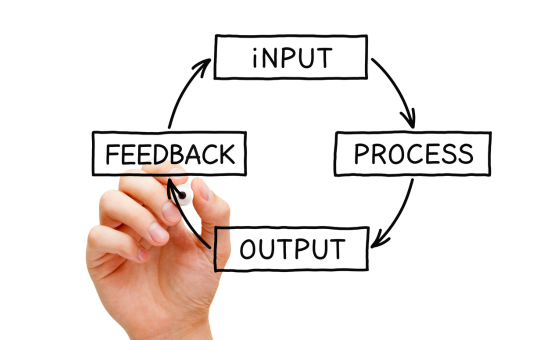
Process Flow Diagrams
-
Shows the overall process sequence in a clear, simplified format.
-
Includes all primary equipment involved in the process.
-
Displays input/output streams, utilities, and flow directions.
-
Illustrates how different units interact within the system.
-
Highlights flow rates, temperatures, pressures, and important data.
-
Defines what parts of the process are included in the diagram.
-
Serves as a foundation for P&IDs, design calculations, and equipment sizing.
Conceptual Layout
-
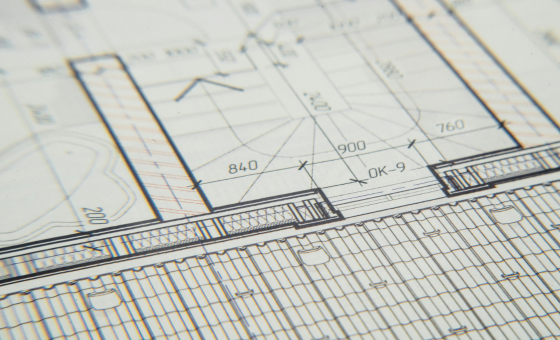
Illustrates the preliminary positioning of major equipment and process areas.
-
Defines the land, building, and utility space needed for the project.
-
Arranges equipment to support smooth and efficient material movement.
-
Incorporates safe distances, access routes, and regulatory requirements.
-
Identifies routing for utilities, electrical systems, and support services.

Conceptual P&ID
-
Shows all critical reactors, vessels, heat exchangers, pumps, and utilities.
-
Outlines the main material and energy pathways across the system.
-
Includes essential sensors, indicators, and control loops for process monitoring.
-
Specifies isolation, safety, and control valves essential for operation.
-
Shows relief valves, interlocks, shutdown systems, and emergency controls.
Equipment List / Specification
-
Lists every major and supporting item required for the process.
-
Includes capacity, material of construction, operating conditions, and performance criteria.
-
Provides clear requirements for RFQs and supplier comparison.
-
Aligns equipment capabilities with process needs and engineering standards.
-
Supplies accurate data for budgeting and capital cost assessments.


Material and Energy Balance
-
Quantifies all input and output streams to ensure accurate process calculations.
-
Determines raw material requirements for efficient production planning.
-
Calculates energy consumption across each unit operation for optimization.
-
Identifies process inefficiencies by highlighting material or energy losses.
-
Supports equipment sizing with precise flow, heat load, and mass-transfer data.